
Fallen Souls: Idle RPG
PERASPERA GAMES PTE. LTD.Role Playing
4.351.00 Reviews
- Version
- 1.0.10
- Installs
- 10.00K
- Age Rating
- Everyone 10+
Screenshots

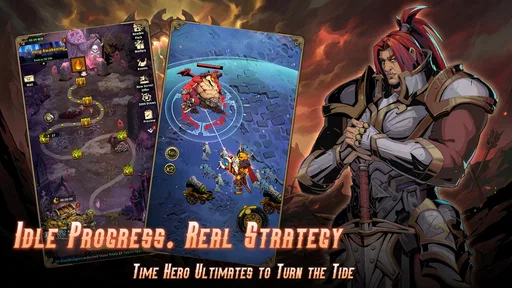
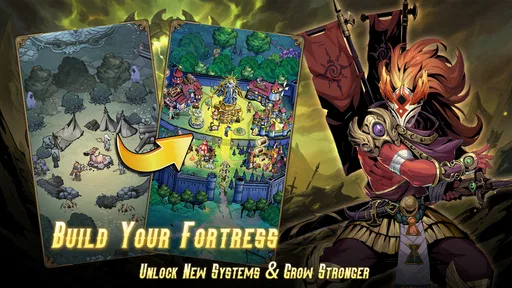

Our Review of Fallen Souls: Idle RPG
 Analysis by Appyee
I spent time with Fallen Souls: Idle RPG as a mobile role-playing game built around collecting, upgrading, and evolving characters in a dark mythic setting. Its basic appeal is easy to understand: you make progress through repeated battles, improve your roster, and gradually shape a team that feels more capable than it did a few minutes earlier. That loop is familiar, but the experience depends heavily on how patiently you manage upgrades rather than how quickly you tap through menus.
What I like most is that it fits short sessions without making every visit feel completely disposable. I can check progress, make a few improvements, adjust my approach, and leave before the game starts demanding my full attention. At the same time, it is not a completely hands-off experience. The idle structure gives you convenience, but decisions about where to spend resources and when to stop upgrading one unit still matter.
The game is free to play and comes from PERASPERA GAMES PTE. LTD. It is listed for players aged Everyone 10+, with a current version of 1.0.10 and support beginning with Android 7.0. The store page shows a 4.3 average from around 2.9 thousand ratings, while the game has passed 10 thousand installs. Those figures suggest a modest but interested player base rather than the enormous community surrounding the biggest mobile RPGs.
How the everyday progression loop feels
My normal routine begins by checking what has accumulated since the previous session. In an idle RPG, this first step is important because it prevents the game from becoming a sequence of random taps. I look at the available resources, see which character or improvement is closest to being useful, and then decide whether to spend immediately or hold back for a more meaningful upgrade. That small pause makes the game feel more deliberate.
The central rhythm is straightforward: collect rewards, strengthen your team, push into the next piece of content, and repeat. The collecting side gives the game its long-term pull, while upgrading provides the short-term satisfaction. Evolving is where the loop feels most purposeful, because it suggests that a character is not merely receiving larger numbers but moving toward a more developed version of its role.
I would not describe the combat as a replacement for a fully manual role-playing game. The attraction here is roster management and gradual growth, not precise movement or action-game reflexes. If you want detailed control over every attack, positioning choice, and defensive response, a traditional turn-based RPG or action RPG will probably be more satisfying. Fallen Souls works better when you enjoy preparing a team and watching your preparation pay off.
A realistic use case is a short commute or a break between tasks. I can open the game, collect what is ready, improve one priority character, and attempt a little more progress without needing a long uninterrupted session. That makes it more approachable than a game that expects a full campaign chapter every time it is opened. The trade-off is that the smaller sessions can feel repetitive if you are not interested in optimizing a collection over time.
Build a repeatable first-minute routine
Experienced players will get more from the game by using the same order of checks each time. I prefer to collect available rewards first, inspect the roster second, and only then commit resources. Spending immediately on the first glowing upgrade can leave you short when a more important evolution or team improvement becomes available.
I also recommend choosing one clear priority for each session. That priority might be improving the character currently carrying the team, preparing a weak slot that is holding back progress, or saving for an evolution threshold. Trying to upgrade everything at once makes progress look busy without making the team noticeably stronger. A focused routine gives each visit a visible purpose.
Another useful habit is to compare the result of an upgrade with the problem you were trying to solve. If the team is losing because it cannot survive long enough, a purely offensive improvement may not fix the issue. If battles are lasting too long but the team remains safe, strengthening damage output may be more sensible. The game does not need to be played like a spreadsheet, but this basic diagnosis prevents waste.
Settings and device habits worth checking
Before settling into longer sessions, I would check the available in-game settings and make the presentation comfortable for your phone. Idle RPGs often involve repeated menus, reward screens, and battle transitions, so unnecessary visual effects or sound can become tiring even when they look attractive at first. I prefer a quieter setup when I am checking progress during the day and a fuller presentation when I am playing at home.
It is also worth checking whether notifications are useful to your routine rather than automatically leaving every alert enabled. Progress reminders can help someone who wants to return regularly, but too many interruptions make the game feel like an obligation. I would keep only the alerts that genuinely help me remember a meaningful return point.
Because the game is free with optional purchases, I would also review the purchase flow before playing seriously. The listed in-app purchase range runs from $0.99 to $99.99 per item, so the difference between a small convenience purchase and a major spending decision is substantial. I recommend setting a personal limit before the collection loop becomes emotionally persuasive. The free entry point is useful, but it should not be confused with unlimited progression at no cost.
Device comfort matters more than people expect. I would avoid leaving the game open for long periods when the phone is already warm or low on battery, especially if I am not actively using it. The best idle routine is one that fits naturally around the phone rather than turning the device into a permanent background machine.
Use the roster as a plan, not a scrapbook
The collecting element can encourage a common mistake: treating every new character as a reason to change the entire team. I found it more useful to keep a stable core and test additions one at a time. That makes it easier to notice whether a new character is actually improving the group or simply looks appealing because it is new.
When deciding what to improve, I would consider three questions. Is this character regularly used? Does the upgrade solve a current weakness? Will the resources remain useful if the next stage becomes harder? These questions are more valuable than chasing every available improvement, particularly when resources arrive gradually.
Evolution should also be treated as a commitment rather than a button to press whenever it lights up. If evolving a character makes your main team stronger, it may be the right move. If it consumes resources that would improve several active members, waiting can be smarter. The strongest short-term choice is not always the best long-term choice, and that tension is one of the more interesting parts of the game.
Faster patterns without turning the game into work
The quickest way to make progress is not frantic tapping. It is reducing indecision. I keep a simple mental order: collect, inspect, prioritize, upgrade, then test. Once that pattern becomes familiar, a short session feels cleaner and I spend less time opening menus without a reason.
I also avoid beginning a session with the most expensive possible upgrade in mind. Instead, I look for the smallest improvement that changes the next battle or unlocks a meaningful step in progression. This approach is especially helpful when the game gives several upgrade choices at once. A modest improvement that lets me move forward can be more useful than a larger investment that leaves the team unchanged in practice.
When progress slows, I do not immediately assume that I need a new character or a purchase. First I check whether my current roster is unevenly developed. One underdeveloped member can make a team appear weaker than it really is, while spreading resources too thin can prevent anyone from becoming dependable. Bringing the group closer together is often a better first experiment than constantly replacing it.
Another efficient pattern is to separate collection sessions from experimentation sessions. During a quick check, I use the established team and make only safe improvements. When I have more time, I test a different roster arrangement or a less obvious upgrade path. Mixing both activities during every short visit can make the game feel slower because each decision takes longer.
I would also resist the urge to spend simply because a reward is available. A resource has more value when it is attached to a plan. Saving can be frustrating in the moment, but it gives you flexibility when a difficult stage exposes a weakness. This is particularly important for players who are comfortable with idle games but new to managing a collection-based RPG.
Where the idle design helps and where it does not
The idle structure is helpful when real life interrupts play. I can step away without feeling that I have abandoned a real-time match or wasted a carefully timed action. Returning to accumulated progress gives the game a welcoming quality, especially for people who want a role-playing game but cannot commit to long daily sessions.
Its limitation is that passive progress can reduce the feeling of urgency. If you prefer games where every minute produces a dramatic change, this may feel slow. The game asks you to appreciate incremental improvement: a stronger roster, a better upgrade decision, and another attempt at content that previously stopped you.
That makes it a better fit for players who enjoy long-term collection than for players seeking a story-heavy adventure. It also means that the game can become less exciting if you repeat the same routine without setting a new goal. I get more from it when I decide what I am trying to improve rather than treating the progress bar as the entire experience.
What free players should understand before spending
The free price makes it easy to try, and I think that is the right way to approach it. Play long enough to decide whether the collecting and upgrading rhythm is enjoyable before considering any purchase. A paid item cannot make a loop enjoyable if the loop itself does not suit you.
For players who do spend, I would treat purchases as optional convenience rather than a substitute for planning. Spending can shorten frustration, but it does not remove the need to understand which characters and upgrades matter to your chosen team. The broad purchase range also means that a small impulse decision and a serious commitment are very different things.
Parents should note the Everyone 10+ rating and the presence of in-app purchases. The age guidance makes the game broadly accessible, but purchase controls are still worth reviewing on a shared device. I would not hand the game to a younger player without first making sure the device’s purchase protections match the family’s expectations.
Advanced limits and when another RPG is better
Fallen Souls is strongest when you want a low-pressure RPG routine with collection at its center. It is less convincing if you need deep manual combat, a large social scene, or a clearly defined narrative campaign. The game’s dark mythic presentation gives it an identity, but the long-term appeal depends more on progression decisions than on dramatic storytelling.
It is also not the best choice for someone who dislikes repeated resource management. The same strengths that make it easy to check during a busy day can feel like limitations to a player who wants constant novelty. A conventional role-playing game may be better if you want to explore a world, make dialogue choices, and finish a self-contained story. A competitive multiplayer title may suit you more if your main motivation is testing skill against other people.
For Android users, the minimum requirement of Android 7.0 makes the entry barrier fairly approachable for compatible devices, but compatibility alone does not guarantee a comfortable experience on every phone. I would still judge it by how smoothly your device handles repeated menus and battles, especially if you plan to keep it installed alongside other large games.
The version number, 1.0.10, also places the game in an early stage of its life. That is not automatically negative, but it shapes my expectations. I approach it as a developing idle RPG rather than a finished genre giant with years of accumulated systems. Players who enjoy watching a game grow may find that appealing, while those who want a massive amount of established content may prefer a longer-running alternative.
My verdict after settling into the routine
My overall impression is positive, with a clear qualification: Fallen Souls works because of its manageable progression loop, not because it reinvents mobile role-playing. Collecting, upgrading, and evolving form a comfortable cycle for short visits, and the dark setting gives that cycle a little more personality than a purely abstract number-building game.
The best results come from playing with restraint. I would keep a stable team, identify the current weakness, save resources when an upgrade does not solve a real problem, and use longer sessions for experimentation rather than trying to optimize every tap. Those habits make the game feel more strategic and reduce the frustration that can come from uneven development.
I would recommend it to someone who wants a free idle RPG that can be checked throughout the day, especially if collecting and gradual evolution are more appealing than manual combat. I would skip it if my priority were a rich story, highly interactive battles, or a game with no pressure at all around optional spending.
In the end, Fallen Souls: Idle RPG is a pleasant choice for a specific kind of player: someone who enjoys building a roster patiently and making small, repeatable improvements. It rewards consistency more than speed. If that sounds like your style, the free download makes trying it a reasonable decision; just begin with a spending boundary and a clear upgrade plan.
Verdict
Strengths of Fallen Souls: Idle RPG
- Idle rewards let you make progress even when you are not actively playing.
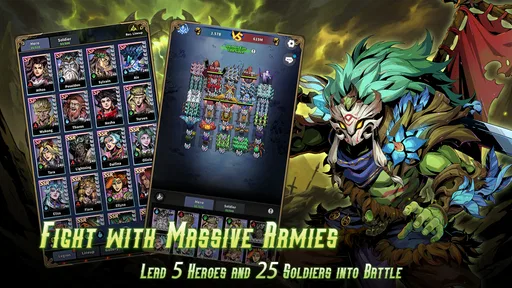
- A wide roster of heroes supports varied team-building strategies.
- Auto-battle makes routine fights quick and convenient.
- Regular events can provide extra rewards and new challenges.
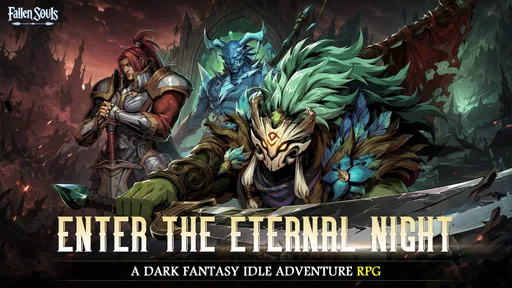
- The dark fantasy presentation gives the game a distinctive atmosphere.
Limitations of Fallen Souls: Idle RPG
- Progress can become heavily dependent on upgrading and recruiting stronger heroes.
- Duplicate heroes and upgrade materials may take time to collect.
- Combat offers limited direct control during most battles.
- Later stages may require repeated grinding to overcome difficulty spikes.
- Frequent menus and upgrade systems can feel overwhelming for new players.
Similar Picks in This Category
View All
Hair Dye
CrazyLabs LTD4.4

Monster High™ Beauty Salon
CrazyLabs LTD4.5

Bus Simulator - Bus Games 3D
Jima Apps4.4

Flight Pilot: 3D Simulator
Wildlife Studios4.1


Super Stylist Fashion Makeover
CrazyLabs LTD4.4
Frequently Asked Questions
What is Fallen Souls: Idle RPG about?
Fallen Souls: Idle RPG is a fantasy role-playing game built around automatic battles, hero collection, equipment upgrades, and gradual progression. You assemble a team of characters, improve their abilities, and send them into battles against monsters and other enemies. Since the idle system continues generating rewards while you are away, it is designed for players who enjoy RPG development without needing to control every fight manually.
Does Fallen Souls: Idle RPG require an internet connection?
An internet connection is generally recommended because the game may need to synchronize your progress, deliver idle rewards, load events, and connect to online features. Some portions of the game may appear accessible offline, but offline play can be limited and rewards might not update correctly until you reconnect. For the most reliable experience, use a stable Wi-Fi or mobile data connection.
Is Fallen Souls: Idle RPG free to download and play?
Fallen Souls: Idle RPG can be downloaded and played without an upfront purchase, but it may include optional in-app purchases. These purchases can provide premium currency, bundles, resources, or progression advantages. You can still develop your team through regular play, daily activities, and idle rewards, although progress may feel slower than for players who choose to spend money.
Is Fallen Souls: Idle RPG suitable for beginners?
The game is relatively accessible for newcomers because automated combat and guided progression reduce the need for complex controls. Early stages introduce team building, character upgrades, equipment, and rewards gradually. However, the number of heroes, menus, currencies, and upgrade systems can become confusing later. Beginners should focus on improving a balanced core team instead of spending resources on every character immediately.
What devices are needed to play Fallen Souls: Idle RPG smoothly?
Fallen Souls: Idle RPG should run on many modern Android and iOS devices, but performance depends on the phone or tablet’s hardware, operating system, available storage, and background activity. Older devices may experience longer loading times, reduced visual performance, or occasional slowdowns. Before installing, make sure your device has enough free space and that the operating system meets the store’s listed requirements.
Play our best games!


